In today’s fast-paced world, many homeowners are looking to maximize their living spaces without sacrificing style or comfort. Multifunctional spaces are becoming increasingly popular as they provide flexibility, enhance organization, and make the most of every square foot. Whether you live in a small apartment or a spacious house, creating rooms that can serve multiple purposes is key to optimizing your home. Let’s dive into how you can design multifunctional spaces that blend practicality with aesthetics.
1. Understanding Multifunctional Spaces
Multifunctional spaces are rooms or areas that serve more than one purpose. A living room might also function as a home office, or a guest bedroom may double as a workout space. The goal is to create a space that adapts to various needs throughout the day, often without feeling cluttered or chaotic.
Key Benefits of Multifunctional Spaces:
- Maximizes the use of available square footage.
- Encourages more organized and efficient living.
- Allows flexibility for future needs (e.g., work-from-home setups).
- Makes smaller homes feel bigger.
2. Prioritize Smart Furniture Choices
- The foundation of a multifunctional space lies in choosing the right furniture. Look for pieces that offer both form and function.
- Convertible Furniture:Items like sofa beds, fold-out desks, and extendable dining tables provide flexibility and adaptability.
- Storage Solutions:Multifunctional furniture that includes hidden storage (e.g., ottomans with storage inside or coffee tables with drawers) helps maintain a clean, organized look.
- Modular Furniture: Modular sofas or shelving units can be rearranged and adapted to different purposes, allowing for seamless transitions between activities.
3.Design with Zoning in Mind
Even in multifunctional spaces, it’s important to maintain a sense of order and flow. Zoning helps separate different activities without the need for walls or heavy dividers. can enhance overall productivity.
- Rugs to Define Spaces:A rug can visually separate the living area from the dining area or the work zone from the relaxation area. Choose rugs that complement your overall design.
- Lighting for Ambiance: Layering different types of lighting (task lighting, ambient lighting, accent lighting) can help set the mood for different activities. Consider using adjustable or dimmable lights for versatility.
- Room Dividers:If you need to physically separate areas, look for flexible options like curtains, folding screens, or bookshelves that don’t take up too much space.
4. Embrace Neutral Colors and Multi-Purpose Decor
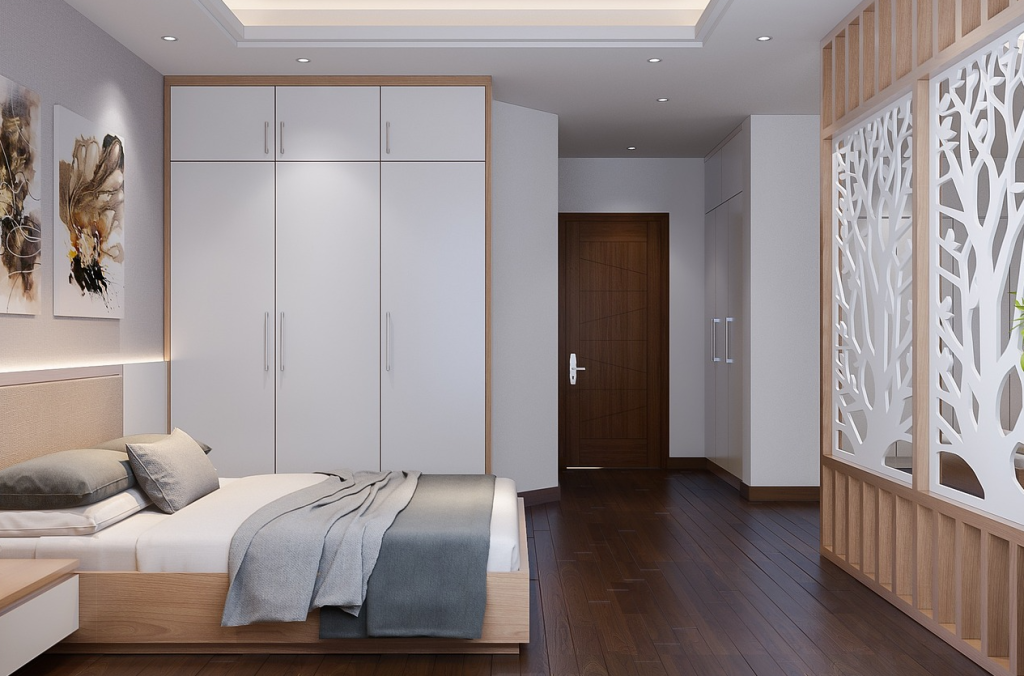
When designing a multifunctional space, it’s best to choose a neutral color palette that can easily adapt to various functions. Soft tones create a calm, cohesive feel, while pops of color can add personality and warmth.
- Neutral Tones: Light grays, whites, and beige are timeless and versatile. These tones help create an open and airy feel, especially in smaller spaces.
- Accent Pieces: You can introduce color and character through accessories like throw pillows, artwork, or rugs, which can be swapped out as needed to match the season or purpose of the room.
5. Flexible Layouts and Layout Optimization
A flexible layout is crucial to maintaining functionality in a multifunctional space. Furniture should be easily movable or adjustable to accommodate changing activities.
- Open Plan Design: Open-plan spaces allow for easy flow between areas, such as combining the kitchen, dining, and living areas into one cohesive zone. These spaces also encourage interaction and make the home feel more spacious.
- Vertical Space Utilization: Don’t forget about the walls! Wall-mounted shelves, foldable desks, or floating cabinets can save floor space while still providing functionality.
6. Creating a Balance Between Function and Style
It’s important to strike the right balance between practicality and aesthetic appeal in a multifunctional space. The challenge is to design a room that serves multiple functions without sacrificing style or comfort.
- Personal Touches: Incorporating your personality into the design makes the space feel more inviting. Add decorative elements that reflect your style while still serving a purpose.
- Cohesive Design Elements: To maintain visual harmony, choose a consistent color scheme, pattern, and material palette throughout the space. This creates a cohesive look even when the space is used for various purposes.
Multifunctional spaces are the future of home design, offering both flexibility and efficiency in a world where space is often at a premium. With thoughtful furniture choices, strategic zoning, and a balanced approach to style and function, you can create a space that adapts to your lifestyle without sacrificing comfort or aesthetics. By embracing multifunctional design, you can transform your home into a practical yet beautiful sanctuary that meets all your needs.
Renovating soon? Renoshield offers you the right interior designers who are qualified and suitable to meet your needs. Turn your house into your home with Renoshield today!