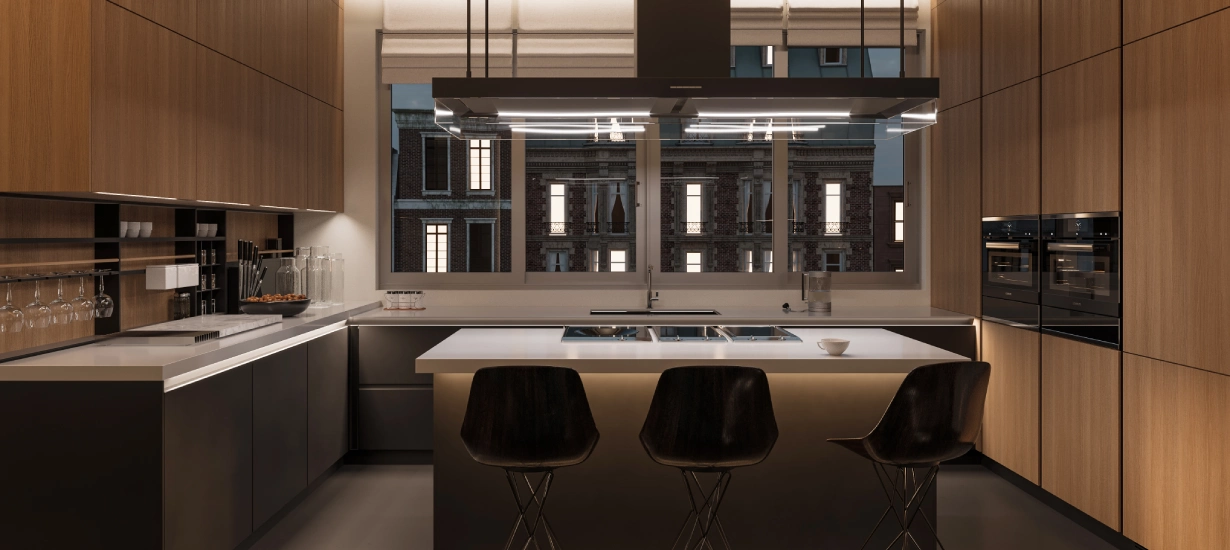
In recent years, minimalism has transcended from being a fleeting trend to a permanent fixture in modern interior design. With its emphasis on simplicity, functionality, and decluttered spaces, minimalism offers a refreshing break from the fast-paced, overloaded world we live in. It’s not just about empty spaces; it’s about creating environments that prioritize quality over quantity, where every element has a purpose. The rise of minimalism is rooted in a desire for clarity, calm, and balance in our homes.
1. What makes Minimalism, Minimalism?
Minimalism in design is about reducing unnecessary elements and focusing on the essentials. This doesn’t mean a stark, empty space, but rather a space that feels open, organized, and intentional.
- Less is More: Every item in a minimalist space should serve a functional or aesthetic purpose. The focus is on quality rather than quantity.
- Clean Lines: Minimalist designs often feature clean, simple lines without excessive ornamentation. This allows the space to feel more expansive and uncluttered.
- Neutral Colour Palettes: Minimalist homes often rely on neutral tones like whites, grays, blacks, and earth tones, which promote calm and serenity.
- Open Spaces: Open floor plans and ample negative space are hallmarks of minimalist design. The idea is to allow rooms to breathe and feel airy.
2. Achieving Simplicity Without Sacrificing Comfort
One of the misconceptions about minimalism is that it can feel cold or uncomfortable. In truth, minimalist design isn’t about removing warmth or personality from a space—it’s about highlighting what matters and removing distractions.
To strike the right balance, focus on creating spaces that are both visually simple and inviting. You can do this by incorporating natural materials such as wood, stone, or linen to add texture and warmth without compromising the clean, minimalist aesthetic. For example, a neutral-toned sofa made from soft linen or wool will keep the space feeling cozy without overcrowding it with patterns or bold colours.
Textural Balance is key: While the overall colour palette may be neutral, you can introduce contrast through textures. A plush rug, a velvet cushion, or a wooden coffee table can make the space feel comfortable and welcoming without overwhelming the senses.
3. Focus on Functionality and Purpose
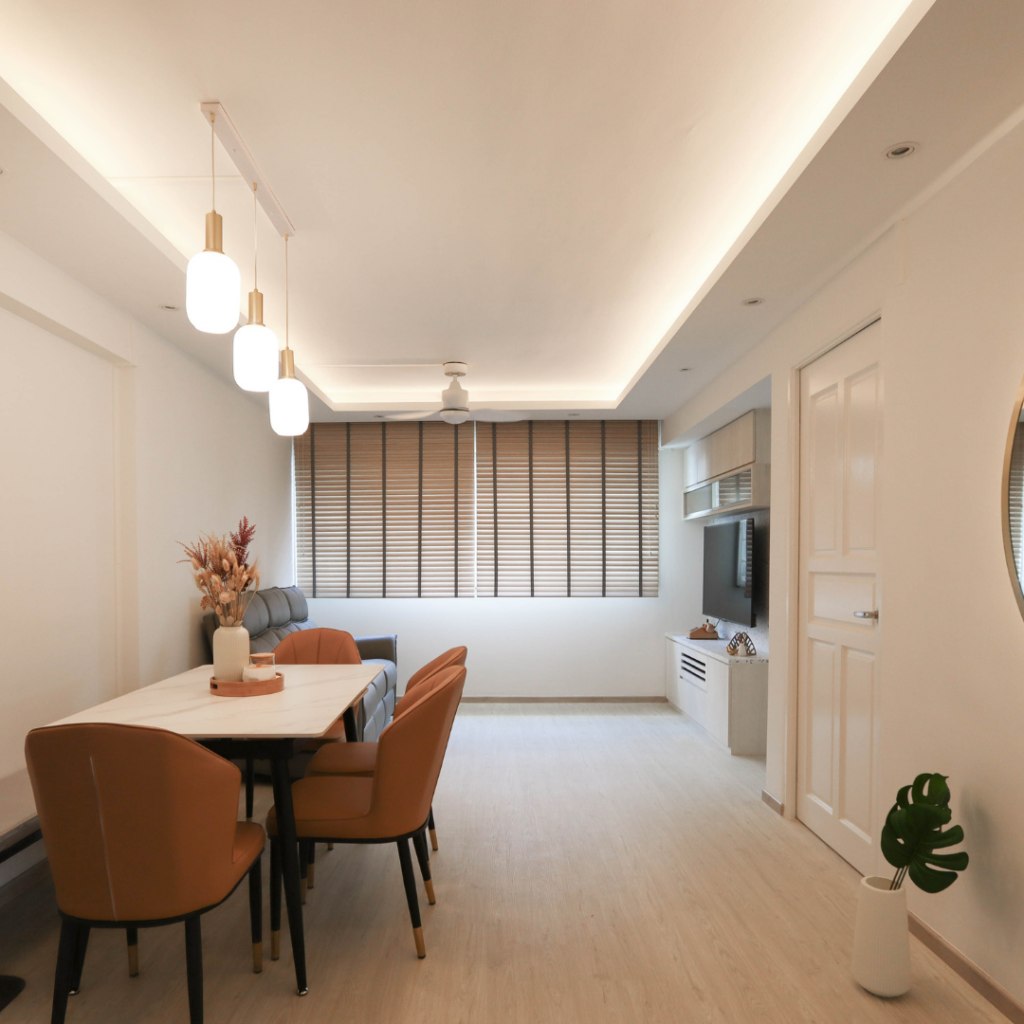
In a minimalist home, every piece of furniture or decor should have a clear purpose. This doesn’t mean eliminating character or creativity, but instead focusing on functional designs that complement the space.
For example, choose furniture that is both aesthetically pleasing and practical. Multi-functional pieces—like a sleek sofa that doubles as a bed or a dining table with built-in storage—can provide both design and utility. When selecting decor, keep it simple. A few well-chosen pieces of art, a single vase with fresh flowers, or a minimalistic sculpture can serve as focal points without cluttering the room.
Embrace Multi-Purpose Furniture: Opt for pieces that can serve more than one function. For instance, a coffee table with storage can help keep things organized, while a set of wall-mounted shelves offers space-saving storage solutions.
4. Maximizing Natural Light
One of the defining features of minimalist homes is the emphasis on natural light. Light, airy spaces can be achieved through large windows, glass doors, or even skylights. This not only creates a sense of openness but also enhances the overall aesthetic, making the space feel fresh and bright.
In minimalist interiors, heavy curtains or overly intricate window treatments are often avoided in favor of simple, sheer fabrics or natural blinds that allow light to flow freely. The key is to let the outdoors in and create a seamless transition between the interior and exterior.
5. Decluttering and Organizing
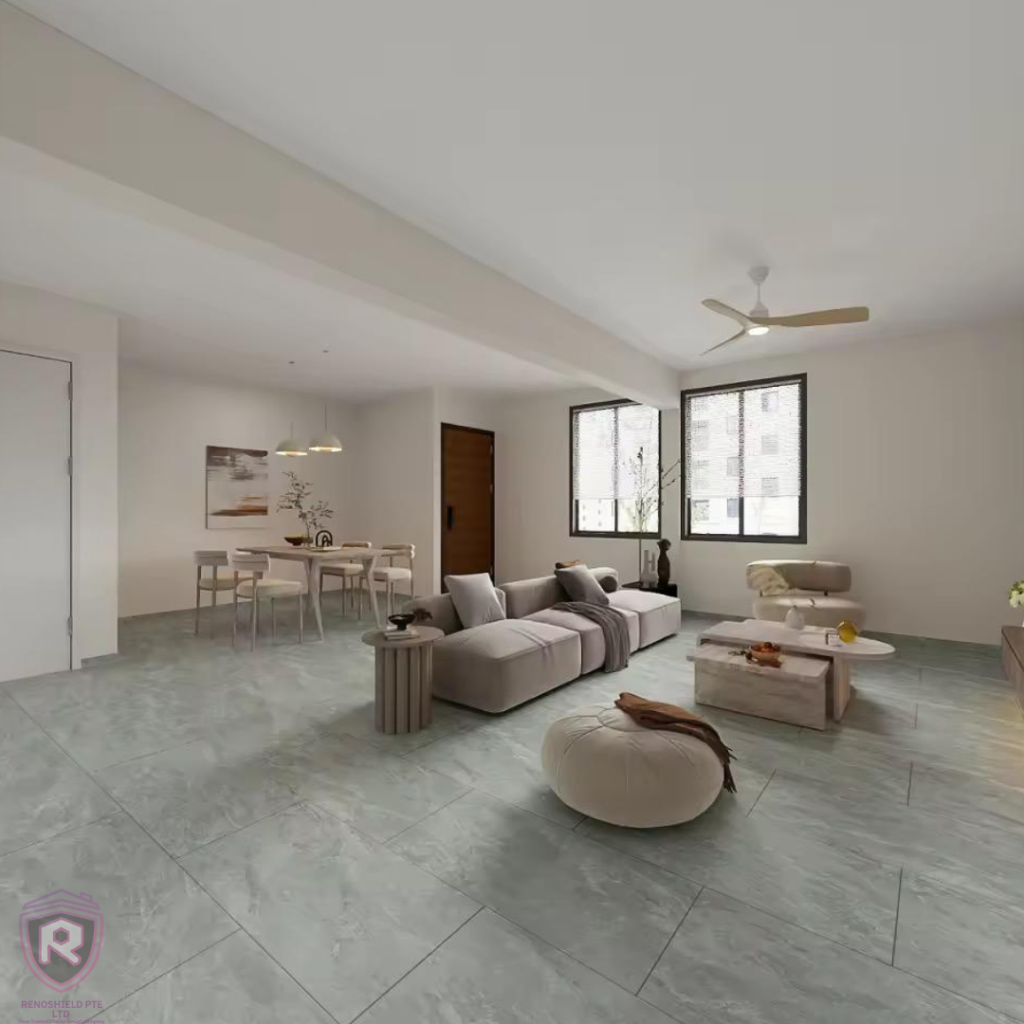
A minimalist home thrives on organization and decluttering. To achieve a truly minimalist space, it’s essential to regularly assess your possessions and keep only what you need or truly love. This isn’t about being overly rigid, but about maintaining a space where everything has its place, and nothing is superfluous.
Start by purging items that no longer serve a purpose or those that don’t add value to the home. Organize remaining items in clever storage solutions that keep things out of sight. Consider built-in storage, hidden compartments, or modular furniture that allows you to keep everything neatly tucked away. Open shelving can be used sparingly, with only a few well-curated pieces on display.
Smart Storage Solutions: For minimalist living, smart storage is a must. Hidden cabinets, under-bed storage, and multifunctional furniture pieces (like a coffee table with storage or a bench with drawers) help keep the home clean and organized.
6. Quality Over Quantity
In minimalist interiors, less is more, but that doesn’t mean your home should be devoid of personality. The trick is to choose carefully curated accent pieces and art that add character without overcrowding the space. Choose one or two statement pieces, such as a large piece of art, a designer lamp, or a unique chair, and let them shine.
Art in a minimalist home is often larger in scale but intentionally sparse, with plenty of negative space around it to give it breathing room. Neutral or monochromatic art is also a popular choice, aligning with the overall minimalist aesthetic.
7. Simplicity in the Details
The devil is in the details when it comes to minimalist design. Simple finishes, clean edges, and subtle accents can elevate a space without overwhelming it. Pay attention to the smallest details, such as matte finishes on light fixtures, sleek handles on cabinets, or unobtrusive hardware.
Instead of opting for flashy or ornate finishes, choose materials and accessories that align with the minimalist ethos. Polished concrete floors, matte black faucets, and plain white ceramic bowls may seem simple, but they create an atmosphere of calm and cohesiveness throughout the home.
Interested in minimalist design? Choose designers who can understand your vision and renovation expectations today. Start your renovation the right way with Renoshield.