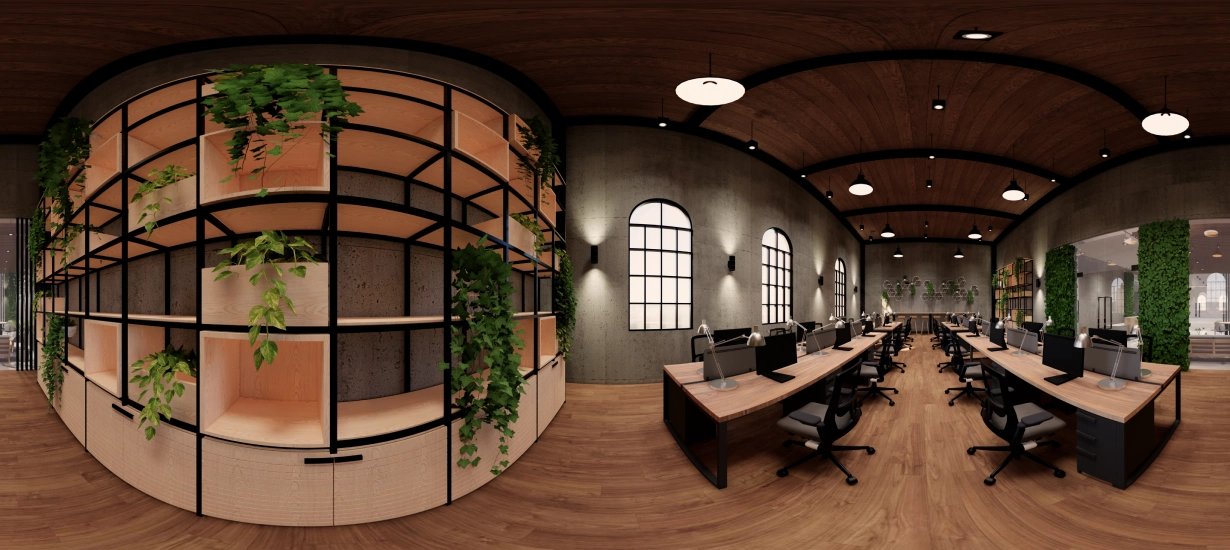
Add color to your life by adding the right color to your home
The design of a home is not just about aesthetics and functionality. One of the most powerful tools that can make or break a relaxing haven is color. Colour is not only a visual experience, but a psychological one that can influence our emotions, behaviors, and perceptions of a space. Understanding the psychology of color in interior design is crucial for creating environments that promote desired moods, vibes, and overall comfort in a home.
The Emotional Power of Colour
Colours have the ability to trigger specific emotions and psychological responses. For example, warm colours like red, orange, and yellow are often associated with energy, warmth, and passion. These colours can create a sense of excitement or intimacy in a room, making them ideal for areas where social interaction is encouraged, like living rooms or dining areas. However, if overused, they can also feel overwhelming or even agitating.
On the other hand, cool colours such as blue, green, and purple tend to evoke calmness, relaxation, and tranquility. These colours are often used in spaces where relaxation and sleep are priorities, like bedrooms or bathrooms. Blue, in particular, is known for its soothing effects, often lowering blood pressure and promoting a sense of peace, making it an ideal choice for a serene home environment.
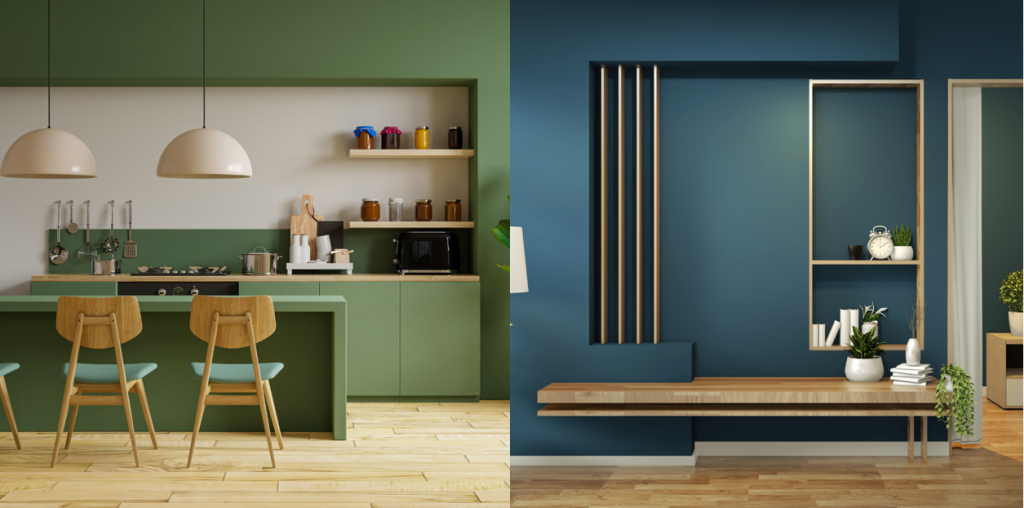
The Role of Colour in Creating a Vibe
The vibe and feel of a house can be significantly influenced by the choice of colours. For example, a modern and minimalist vibe can be achieved through neutral colours such as white, gray, and beige. These colours help create a clean, airy feel, making spaces feel more expansive and open. Neutral tones also provide a versatile backdrop, allowing furniture and other design elements to stand out without competing for attention.
Want a cozy, warm, and inviting vibe? Earthy tones like browns, terracotta, and warm greys can be used. These colours mimic natural elements and create a grounded, homely atmosphere. Wood accents and soft textiles in these colours can enhance the comfort level, making spaces feel welcoming and nurturing.
Bright colours like yellow, coral, or turquoise can inject a sense of fun, creativity, and playfulness into a room. These hues are commonly seen in children’s rooms, home offices, or creative spaces, where energy and inspiration are desired. Such colours can boost creativity, motivation, and bring a sense of joy, helping to create an uplifting atmosphere.
Colour and Its Impact on Room Size and Layout
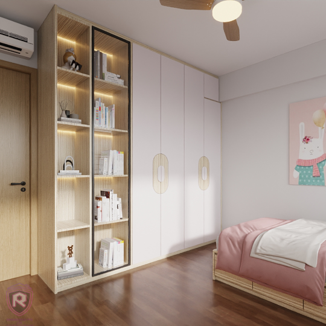
Colour can also play a significant role in how the size and layout of a room are perceived. Light, pastel colours, such as soft blues, pinks, or light greys, can make a small space feel more open and airy. These colours reflect light, making the room seem larger and more spacious. This makes them a popular choice for smaller homes or rooms with limited natural light.
On the other hand, dark colours like navy blue, charcoal, or deep green can make large spaces feel more intimate and cozy. While these colours can make a room feel more enclosed, they also add depth and richness to the environment. In expansive rooms like living areas or kitchens, dark colours can create a sense of warmth and sophistication, turning a large, open space into a more inviting and comfortable setting.
The Psychological Effects of Colour on Well-Being
The psychological effects of color are not just limited to how we feel about a room; they also affect our overall well-being. A space designed with thoughtful color choices can promote positive mental health. Take green for example, often linked to nature, it has been shown to have stress-relieving properties. Incorporating green into areas like the bedroom or living room can help reduce anxiety and create a peaceful retreat from the hustle and bustle of everyday life.
Similarly, light blues and lavender tones are often used in spaces where rest and recovery are needed. These colours help calm the mind and encourage sleep, making them popular choices for bedrooms. Meanwhile, shades of yellow are known to uplift spirits and can enhance focus, which is why they are commonly used in home offices or study areas.
The psychology of color plays a fundamental role in interior design, influencing everything from our emotions to the perceived size of a space. By carefully choosing colours that align with the intended mood and function of each room, designers can create homes that feel inviting, energizing, calming, or cozy. Whether it’s the peaceful blues in a bedroom or the energetic reds in a dining area, color choices can shape the vibe, mood, and feel of a home, enhancing both the physical space and the emotional experiences of those who inhabit it.
Learned a thing or two? Aside from choosing the right shades and pastels, working with the right designers during your renovation adds color into your life. Start your life-changing renovation of your home today with Renoshield. Our designers know more than just colours but how to understand and turn your visions into reality.